
Draft text under review by DAC.
- Test one
- Test two
Para A
Para B
Capability Example: Independent Technical Analysis and DSU Claim Support at a Gas Compression Facility
SECTOR
SERVICES
FORUM
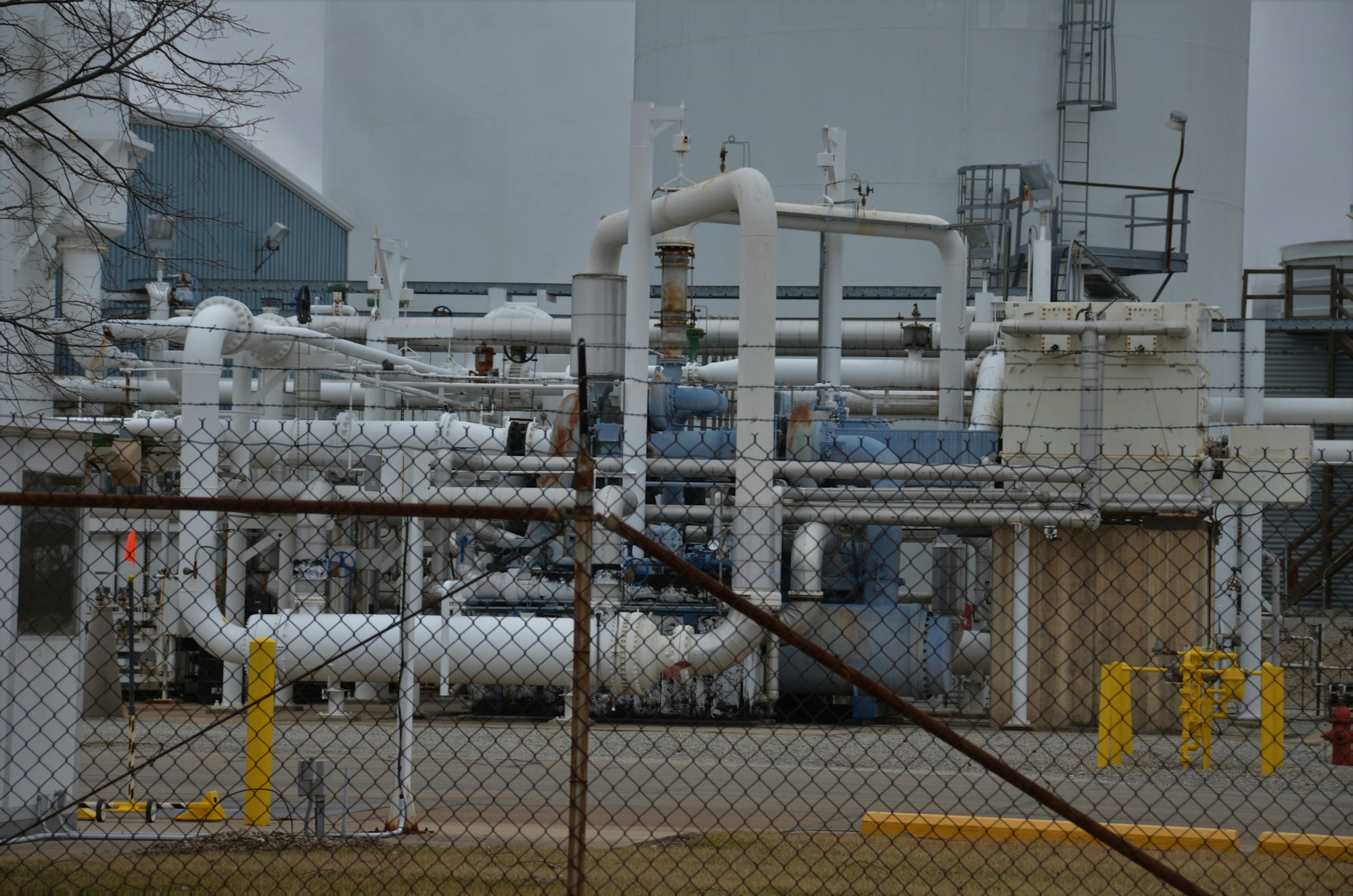
Illustrative animation. People and facilities shown are not from the project.
Illustrative animation. People and project visuals shown are not from this matter.
Illustrative animation. Equipment and project visuals shown are not from this matter.
Illustrative animation. Equipment, diagrams and charts are schematic, not case evidence.
Illustrative animation. Structures, schedules and cost diagrams are schematic, not case evidence.
Illustrative animation. Pipeline geometry and inspection visuals are schematic, not case evidence.
Thank you. We have received your message, and a member of the DAC team will be in touch.
The situation our client faced
A major gas compression facility suffered a catastrophic equipment failure that halted operations and delayed start-up.
The incident triggered a Delay in Start-Up, or DSU, claim under the facility’s construction insurance policy. A dispute developed among the contractor, equipment supplier, insurer, and other parties. The central questions were:
- What caused the failure?
- Did design, manufacturing, installation, commissioning, or operations contribute?
- How long did the failure delay start-up?
- Which business-interruption losses were supported by the policy and available evidence?
What the client needed from DAC
The client needed an independent technical investigation and claim analysis that could help it establish the technical cause of the failure, quantify the impact of delayed start-up, and support its insurance claim.
DAC was asked to:
- Establish the root cause and contributing factors behind the equipment failure.
- Assess the roles of manufacturing, installation, commissioning, and operational practices.
- Quantify lost production revenue and additional operational costs arising from delayed start-up.
- Present clear, defensible evidence aligned with the insurance policy requirements.
How we approached the matter
DAC reviewed design specifications, installation and commissioning records, operational data, and the physical evidence associated with the failure.
The technical investigation combined material testing, stress analysis, finite element analysis, and failure-mode analysis to identify the failure mechanism and key contributing factors. DAC then worked with the relevant financial and operational information to assess the business-interruption losses and test them against the DSU policy terms.
Note: DAC selects the method that best fits the available physical evidence, operational records, policy requirements, and the question that needs to be answered. The technical and DSU approach used here was appropriate for this matter; it is not a one-size-fits-all solution.
What this example demonstrates for you
When a critical failure delays commissioning or start-up, DAC can help you:
- Identify the technical cause and contributing factors.
- Test competing explanations against engineering and operational evidence.
- Connect the delay to its business-interruption consequences.
- Support an insurance claim with a clear, evidence-based explanation of loss.
Does this resemble your situation?
Every dispute is different. But if your matter involves equipment failure, delayed commissioning or start-up, a DSU claim, lost production, or disputed insurance coverage, this example may provide a useful starting point for discussing how DAC can help.
Facing a similar matter?
Discuss your matter with us. We will assess the issues and assemble the right technical, delay, and quantum expertise.